Reviewed for accuracy by Lynn Campbell, CIEC, Certified Indoor Environmental Consultant
A major storm moves through Central Florida, the wind dies down, and the cleanup begins. Maybe a few shingles came off, maybe water pushed in around a window during the worst of it, maybe the power was out for a day or two while the AC sat off. Once the debris is cleared and things look back to normal, a reasonable question follows: after a storm like that, does the home need to be tested for mold, or is watching and waiting enough?
Quick Answer
Not every storm means mold testing is necessary. Monitoring may be reasonable when there is no known water intrusion or visible indication that water entered the home, indoor conditions return toward normal after power and air conditioning are restored, and no recurring odor, humidity concern, or material change develops.
Testing may be worth considering when water intrusion did occur, when a musty odor persists after everything appears dry, when materials show visible changes that don’t resolve, or when a homeowner remains uncertain about indoor conditions after the event and wants measurable information rather than relying on how things look or smell.
Why Major Storms Can Create Different Indoor Concerns
Major storms and hurricanes bring a specific combination of conditions that smaller weather events typically don’t. Wind-driven rain can push moisture in around roof flashing, window seals, or door thresholds in ways that ordinary rainfall doesn’t test. Power interruptions can leave air conditioning off for extended periods, which changes indoor humidity levels while a home sits closed up. And any of these factors can result in materials becoming wet in places that aren’t immediately obvious from a walk-through.
A major storm does not automatically result in a lasting indoor-air or mold concern. It does, however, introduce conditions that may warrant closer monitoring when water intrusion, prolonged humidity, or other indoor changes occurred. Some concerns can remain difficult to judge from appearance alone, even when nothing looks wet.

What Homeowners Can Monitor After the Storm
Following a storm, it’s worth keeping track of a few specific things: any musty or earthy odor, whether it’s new or persisting from before the storm; staining or visible material changes on ceilings, walls, or flooring; dampness that keeps recurring in the same area rather than resolving; one room or area of the home that consistently feels different from the rest; how conditions in the home settle once power and air conditioning are back and running normally; and whether any concern that seemed to resolve during cleanup shows up again afterward.
These are the same kinds of practical signals worth watching after any water event, just applied to the specific context of storm recovery.
When Monitoring May Be Reasonable
When a home comes through a storm without known water intrusion or persistent indoor changes, monitoring may be a reasonable first step rather than immediate testing. This tends to make sense when there is no known water intrusion or visible indication that water entered the home, humidity and odor return toward the home’s usual conditions once power and air conditioning are restored, no staining or material change appears afterward, and no concern recurs once the initial cleanup is complete.
As with any water-related situation, it’s worth being upfront about what monitoring can’t do. It can’t confirm, on its own, that concealed areas like attic spaces, wall cavities, or areas around window and door openings weren’t affected. It’s a reasonable approach for storms that appear to have passed without incident, not a guarantee that every concealed space came through unaffected.
When Mold or IAQ Testing May Be Worth Considering
Testing becomes a more relevant option in a number of storm-related situations: water intrusion was confirmed or strongly suspected during the storm, even if it was addressed quickly; a musty odor persists after cleanup and once normal power and cooling have been restored; staining, warping, or other material changes remain after the affected area appears dry; one part of the home continues to feel or smell different from the rest after the storm; or a homeowner is simply uncertain about indoor conditions following the event and wants measurable information to work from. For broader decision guidance, see when to test indoor air quality in Florida.
What Testing Can Clarify
Mold or indoor air quality testing evaluates the specific areas and samples included as part of that testing, and depending on scope, it can provide measurable information about conditions in those locations following a storm. That’s useful, documented information a homeowner can use to decide on next steps.
What Testing Cannot Determine
Testing does not evaluate every concealed space in a home, only the areas and samples that are actually assessed. It may not locate every source of moisture that entered during a major storm, particularly if water traveled through roof or wall assemblies before becoming apparent elsewhere. It does not replace a roofing, building, or structural evaluation in situations where storm damage to the structure itself needs to be assessed and repaired. And it does not confirm that every condition found during testing was specifically caused by that storm, since homes can have unrelated, pre-existing conditions as well.
Major Storm vs. Heavy Rain vs. Power Outage
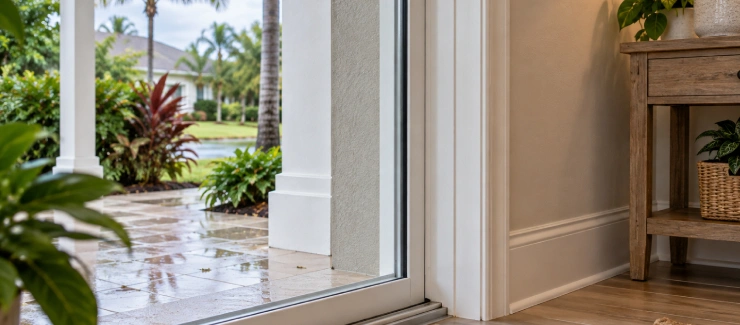
These are related but distinct situations, and each is worth thinking about on its own terms. A major storm or hurricane may combine wind-driven rain, stress on roofing or exterior openings, and a power interruption. Heavy rain on its own, without storm-force wind or a power interruption, is a narrower moisture-focused situation and is covered separately. A power outage without associated water intrusion is narrower still, centered on how indoor conditions respond when air conditioning is unavailable rather than on water entering the structure. If your situation matches one of these more specific scenarios rather than a major storm event, use the article that addresses that trigger directly.
How Evergreen Can Help
Evergreen Air Quality Services provides independent mold and indoor air quality testing and reporting. We don’t perform remediation, cleanup, storm-damage repairs, or restoration work of any kind, and we’re not involved in the insurance-adjusting process. Because testing is separate from any repair or restoration business, homeowners get independent, measurable information about the areas we evaluate, which they can then use to decide on any further steps with the appropriate professionals.
Frequently Asked Questions
01. Does every hurricane require mold testing?
No. When there is no known water intrusion or visible indication that water entered the home and indoor conditions return toward normal once power and air conditioning are restored, monitoring may be a reasonable approach. Testing becomes more relevant when water intrusion occurred or when odor, staining, or uncertainty persists afterward.
02. How soon after storm-related water intrusion should I monitor indoor conditions?
There’s no fixed, universal timeline that applies to every home or every storm. In general, homeowners watch whether odor, humidity, and affected areas are trending back toward normal after cleanup and once normal indoor conditions are being restored, rather than counting toward a specific number of days.
03. Can mold be present when surfaces look dry?
It’s possible for surface materials to appear dry while moisture remains in concealed areas, particularly after wind-driven rain that entered through roofing, window, or door assemblies. Visual appearance alone doesn’t confirm conditions in spaces that aren’t visible.
04. Is musty odor after a storm a reason to test?
A musty odor that persists after cleanup is complete and normal power and air conditioning have been restored can be a reason to consider testing, especially when the odor keeps returning or other indoor changes remain.
05. What can mold testing clarify after a hurricane?
Testing can provide measurable information about the specific areas and samples evaluated. It’s a tool for gathering documented information about those locations, not a single comprehensive answer covering the entire property or the full extent of storm damage.
06. Does Evergreen perform remediation or storm cleanup?
No. Evergreen provides independent testing and reporting only. We don’t perform remediation, cleanup, storm-damage repair, restoration, or insurance-adjusting services.
07. How long do laboratory results take?
Turnaround time depends on the specific type of testing and laboratory analysis performed. Evergreen can walk homeowners through expected timing for their specific testing scope when they schedule.
Schedule Mold or Indoor Air Quality Testing in Florida
Call (407) 625-4458 or book online to schedule.