
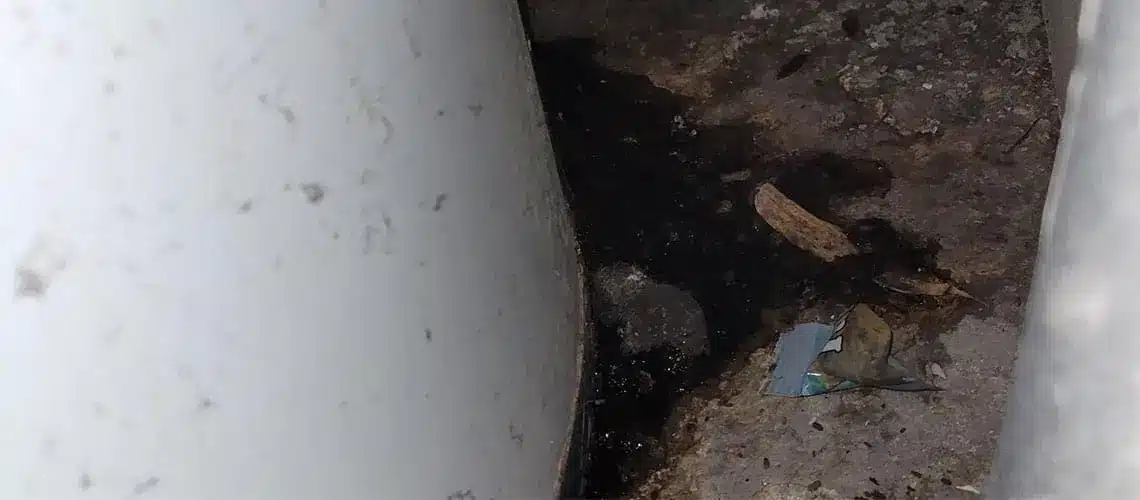
February often feels like a break from Florida’s extreme weather. Mornings are cooler. Rainfall is lighter. Humidity feels lower than in the long summer months. Inside the home, everything can seem calm and comfortable. For many Orlando homeowners, this sense of relief creates the impression that moisture-related risks have passed.
That comfort can be misleading.
In Central Florida, February creates a quiet but powerful shift in indoor conditions. Walls cool down. Air circulation slows. Windows stay closed longer. HVAC systems run less consistently. These changes allow moisture to linger in places you cannot see, especially inside wall cavities, behind cabinetry, and around ductwork. This is why February is a common time for homeowners to begin considering a black mold inspection in Orlando, even when there is no obvious leak or flooding event.
Even short rain events can introduce moisture through roof penetrations, window seals, stucco cracks, and plumbing chases. When that moisture becomes trapped inside enclosed spaces, it does not always dry naturally. Over time, it can create the exact conditions mold needs to develop quietly behind finished surfaces.
Evergreen Air Quality Services helps Orlando homeowners understand what is happening inside their homes through professional testing and clear, unbiased reporting. The focus is always on measurement and documentation, so homeowners receive objective information without pressure or unnecessary recommendations.
Why February Moisture Still Creates Mold Risk in Orlando
February is considered part of Florida’s dry season, but “drier” does not mean dry. Passing cold fronts still bring rain, and indoor ventilation habits change during cooler weather. Homes stay sealed. Exhaust fans run less often. Fresh air exchange drops.
In Orlando, February also marks the shoulder season, when a building-science process called Inward Vapor Drive becomes more active. Exterior materials such as stucco, concrete block, and brick absorb moisture during rain. When the sun warms those materials, moisture turns into vapor and is pushed inward toward cooler interior surfaces.
This is especially common in stucco-on-block construction found throughout neighborhoods like Winter Park, Lake Nona, and Dr. Phillips. While indoor temperatures remain comfortable, the dew point inside wall cavities can be reached quickly. When warm vapor meets the cooler backside of drywall, micro-condensation forms inside interstitial spaces.
These conditions explain why homeowners often schedule black mold inspections in Orlando in February, even when their homes feel dry and normal on the surface.
If something feels off indoors, Evergreen Air Quality Services provides certified testing with clear, unbiased results. Call 407-625-4458.
How Mold Develops Behind Walls During February
Mold does not need standing water to grow. It requires moisture, organic material, limited airflow, and time. Wall cavities naturally provide all four.
Once moisture enters a wall system, mold can begin developing on drywall paper backing, insulation, or wood framing. Because this growth occurs out of sight, changes are often subtle. Odors may come and go. Indoor air may feel heavier. Comfort levels may shift without an obvious cause.
This hidden development is one of the most common reasons homeowners request a black mold inspection in Orlando during February, particularly after rain events, plumbing adjustments, or long periods when the home remains closed.
Subtle Signs Homeowners Notice in February
February mold concerns rarely appear suddenly. They tend to develop quietly and are easy to dismiss as seasonal discomfort.
Common signs homeowners report include:
1. Musty or earthy odors that appear intermittently
2. Allergy-like symptoms that improve when leaving the home
3. Persistent fatigue while indoors
4. Faint discoloration near vents, baseboards, or ceiling corners
5. Areas that feel damp without visible leaks
These signs alone do not confirm mold. They indicate that indoor conditions may have shifted. Testing is the only reliable way to understand what is present. Many homeowners pursue black mold inspection in Orlando at this stage to gain clarity before problems escalate.
What Mold Inspection and Testing Involves
Professional mold testing is not a visual guess. It is a structured process designed to measure real environmental conditions.
A professional inspection may include:
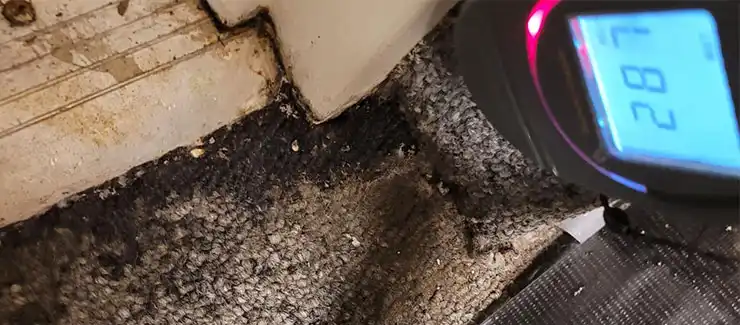
1. Calibrated temperature and relative humidity measurements
2. Moisture mapping of wet building materials
3. Infrared thermography used alongside calibrated handheld moisture meters to verify wet materials
4. Air or surface sampling when appropriate
5. Laboratory analysis through accredited third-party labs
Evergreen Air Quality Services focuses strictly on testing and reporting. No remediation, no removal, no repairs. This ensures that results are objective and data-driven. Results from black mold inspections in Orlando are typically available within 48 hours. Bacterial and fungal testing may take up to 1 week, depending on the laboratory’s processing time. These environmental tests are not medical diagnostics.
Why Independent Testing Matters
Some companies offer both mold testing and remediation. That overlap can influence how findings are presented.
Evergreen Air Quality Services operates differently. Testing is the only service provided. There is no financial incentive tied to discovering mold. This independence is why many homeowners choose Evergreen for a black mold inspection in Orlando when they want facts without pressure.
Why Orlando Homes Are Vulnerable in February
Orlando homes are designed to manage heat and humidity year-round. During February, HVAC systems often short-cycle or remain off for extended periods. This leads to HVAC stagnation, where moisture is no longer actively removed from indoor air.
Closets, interior walls, cabinetry, and areas near ductwork are especially vulnerable. When relative humidity rises above safe thresholds in these microclimates, mold germination becomes possible. February moisture may seem minor, but when it becomes trapped, its impact can be significant. This seasonal pattern is a common trigger for black mold inspection requests in Orlando.
When February Mold Testing Makes Sense
Professional testing is often recommended after:
1. Recent rain near the property
2. Plumbing work performed during winter
3. Extended periods with the home closed
4. Persistent indoor odors or comfort changes
5. Preparing to buy or sell a property
Homeowners often choose a black mold inspection in Orlando at this stage because early detection prevents larger issues later.
Frequently Asked Questions
1. Can mold develop during February in Orlando?
Yes. Moderate moisture combined with warm indoor conditions can support mold growth even during cooler months.
2. Does mold always produce a strong odor?
No. Many cases develop without noticeable changes in smell.
3. Is visible mold required for testing?
No. Hidden growth is one of the most common findings during black mold inspections in Orlando.
4. How quickly are mold testing results available?
Most mold testing results are available within 48 hours.
5. Does Evergreen Air Quality Services remove mold?
No. Evergreen provides testing and reporting only.
If you are noticing changes in indoor air quality or want clear answers about hidden moisture, a professional black mold inspection in Orlando provides clarity without pressure.
📞 Call 407-625-4458 to schedule independent mold testing with Evergreen Air Quality Services.
