
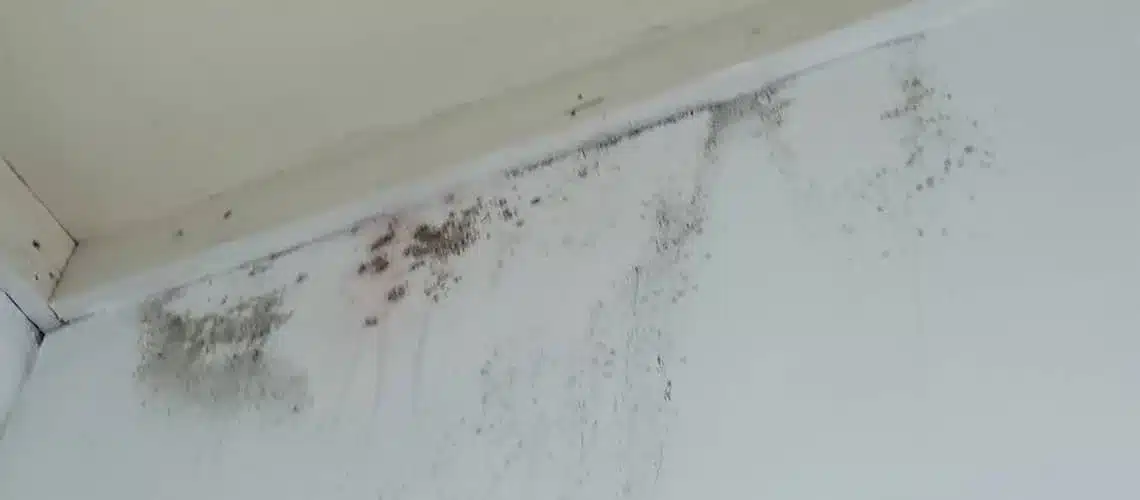
Something is shifting in Maine rentals.
For years, mold complaints followed the same loop. A tenant noticed a smell. A spot appeared. A landlord cleaned, painted, or ran a dehumidifier and hoped it stayed quiet. Sometimes it did. Sometimes it came back.
Now Maine is moving toward a new standard. A proposed update may soon make mold a clearer part of the implied warranty and covenant of habitability. The law is not yet formally applied. Still, it signals a future where landlords may need stronger proof of proper action.
This is why mold in rental properties Maine is about to matter in a sharper, more measurable way. It will not only be about fixing what you see. It will be about documenting what happened, responding quickly, and correcting moisture at the source.
Even when a unit looks clean and dry, hidden moisture can cause long-term issues.
Why the Upcoming Law Changes the Conversation
Think of the proposed change as a new rulebook forming in real time.
If the bill becomes law, certain mold-related conditions tied to chronic dampness, unresolved leaks, or unsafe indoor environments may fall more clearly under the implied warranty of habitability under Maine law. That could shift how tenant complaints are evaluated and how landlord responses are measured.
Three things may matter more:
-
How quickly you respond
-
How clearly you document
-
How accurately you confirm conditions
This is where Mold in rental properties Maine stops being about opinions and starts being about evidence. Photos help. Moisture readings help. Written timelines help. Third-party lab results help when needed.
This proposal has been discussed as LD 1927 within the Maine Legislature. Important timing note: if enacted as a non-emergency law, Maine statutes typically take effect 90 days after the Legislature recesses or adjourns, unless otherwise specified.
If you want to stay ahead of what is coming, Evergreen Air Quality Services provides certified mold and air quality testing with clear, unbiased results. Call 207-310-7733.
How Maine’s Warranty of Habitability May Expand to Include Mold
.
Under current law, the implied warranty and covenant of habitability require rental housing to meet basic health and safety standards. If the proposed changes take effect, mold conditions connected to chronic moisture, structural leaks, or unsafe indoor environments could fall more clearly within that framework.
In practical terms, Maine warranty of habitability mold standards may become more explicit. That would shape how complaints are reviewed and what landlords are expected to do after a report.
This is where Maine landlord mold responsibility becomes more structured. It will not only involve addressing what is visible. It will involve showing that moisture sources were investigated, documented, and corrected in a timely way.
That shift is exactly why mold in rental properties Maine deserves attention now, before enforcement begins.
How Moisture Creates Mold Risk in Maine Rentals
Here is the simple truth. Mold is not the root problem. Moisture is.
Maine buildings fight moisture year-round, but it shows up differently across seasons.
In winter, indoor air is warm while exterior surfaces stay cold. Moisture can condense in corners, behind furniture, inside closets, and around windows. It often looks minor, which is why it gets ignored.
Ice dams add another risk. Meltwater can move under shingles and into roof systems. A ceiling stain may appear days or weeks later.
Then spring thaw arrives. Snow melts. Rain increases. Groundwater rises. Basements and crawlspaces stay damp. Water vapor can migrate upward into living spaces.
This slow buildup explains why mold in rental properties Maine can appear without a flood, without a burst pipe, and without obvious warning.
How Mold Develops Behind Surfaces
Mold needs four things:
-
Moisture
-
Organic material
-
Limited airflow
-
Time
Rentals often provide all four behind walls and under floors.
Drywall, paper, and wood framing support growth. Wall cavities trap humidity. Airflow stays limited. Add a small leak or chronic condensation, and growth can begin.
This is why mold in rental properties Maine often becomes a hidden-space problem. Tenants may smell it. Landlords may not see it. Without testing, both sides guess.
If something feels off in a unit, Evergreen Air Quality Services offers independent testing and documentation throughout Maine. Call 207-310-7733.
Subtle Signs Tenants May Report
Most mold-related tenant concerns do not start with dramatic visible growth. They start with smaller signs that are easy to dismiss.
Common tenant reports include:
-
Musty odors that come and go
-
Condensation that lingers on windows
-
Damp carpet near exterior walls
-
Allergy-like symptoms that improve outside the unit
-
Staining near vents, baseboards, or ceiling corners
These signs do not confirm mold. They suggest a moisture imbalance that warrants investigation. Under expected legal changes, early response reduces the risk tied to mold in rental properties Maine.
What Mold Inspection and Testing Involves
Professional mold testing is not a guess based on visual inspection. It is a structured process for measuring real conditions.
Testing may include:
-
Temperature and relative humidity readings
-
Moisture mapping of suspect materials
-
Infrared imaging paired with moisture meters
-
Air or surface sampling when appropriate
-
Lab analysis through accredited third-party laboratories
Evergreen Air Quality Services focuses strictly on testing and reporting. No remediation. No repairs. That keeps results objective and supports clear documentation for mold in rental properties Maine.
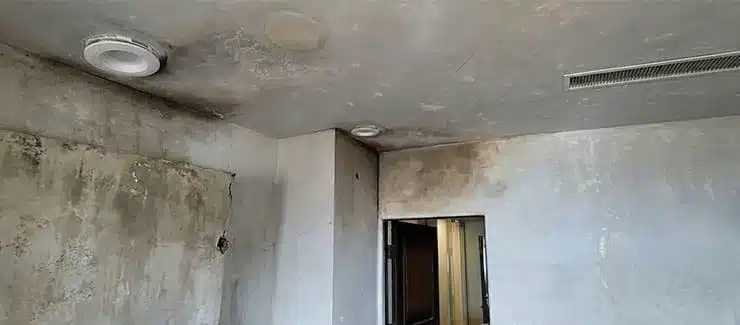
Why Independent Testing Matters
Some companies both test and remediate. That overlap can create doubt. Tenants may question findings. Owners may feel pressured into unnecessary work.
Independent testing helps avoid that problem. It separates evaluation from correction.
If you need documentation showing you handled Mold in rental properties Maine responsibly, independent reporting helps support that record.
Why Maine Rentals Are Seasonally Vulnerable
Maine has long heating seasons. That shapes indoor habits. Windows stay closed. Ventilation drops. Bathroom fans may not run long enough. Indoor humidity can rise.
Cold exterior walls create surfaces where condensation forms. Closets and corners become microclimates with limited airflow. Moisture can build up in these areas.
Spring can push moisture from below. Basements and crawlspaces remain damp. Vapor can migrate upward into living areas.
These seasonal forces are why mold in rental properties Maine is not random. It is often predictable, which means it can be managed.
How to Prepare Before the Law Takes Effect
Preparation does not require major renovation. It requires organization and consistency.
Landlords and property managers can begin now by:
-
Creating a written protocol for mold and moisture complaints
-
Documenting the date, location, and description of each report
-
Recording moisture readings when investigating dampness
-
Addressing root causes such as leaks, ventilation failures, or drainage issues
-
Considering baseline testing in higher-risk buildings
If enforcement begins after the expected 90-day window, landlords who already follow a structured process will be in a stronger position.
Proactive documentation reduces uncertainty tied to mold in rental properties Maine and demonstrates responsible property management.
When Professional Testing Makes Sense
Testing is often useful after:
-
A tenant reports persistent odors
-
A roof leak, ice dam, or plumbing issue occurred
-
Visible staining appears without a clear source
-
Multiple complaints come from the same unit
-
You want documentation before turnover or renewal
Early testing provides clarity. Clear records also reduce disputes tied to mold in rental properties Maine.
Frequently Asked Questions
1. If the law is not active yet, why act now?
Preparation is less costly than reaction. Documentation is easier before a dispute exists.
2. Does every mold concern require lab testing?
No. Testing depends on the moisture evidence, extent, and complaint history.
3. Can a landlord require tenants to use ventilation properly?
Landlords can set expectations and provide functioning systems. Clear communication supports compliance.
4. What is the biggest mistake landlords make after a complaint?
They address surface staining but do not correct the underlying moisture source.
5. What documentation is most helpful if a dispute escalates?
Written timelines, photos, moisture readings, and third-party reports when appropriate.
If you manage rental housing in Maine and want clear documentation before expected changes take effect, independent testing helps you prepare. You gain objective answers and a stronger record of responsible management.
Evergreen Air Quality Services provides professional mold and indoor air quality testing throughout Maine.
Call 207-310-7733 to schedule a certified mold inspection and testing.
