Reviewed for accuracy by Angelo Quatrano, CIEC
Maine landlords and tenants now have a clearer legal framework for dealing with moisture problems that lead to mold growth in rental housing. A musty odor, recurring condensation, or a leak may start as a maintenance concern, but the underlying moisture conditions can also raise questions about whether a unit is fit for habitation.
On July 29, 2026, Maine’s updated implied warranty of habitability law took effect. The change expressly addresses certain leaking, chronic moisture, and humidity conditions that result in mold, bacteria, or other biological growth. For rental property owners and managers, the practical priorities are familiar: investigate moisture concerns, address their source, and keep clear records of what was reported and done.
This article explains what changed, how Maine’s climate affects rental properties, and where independent mold assessment or testing may be useful. It is educational information, not legal advice.
What changed in Maine’s rental mold law?
The change originated as LD 1927, An Act to Add Mold to the Implied Warranty and Covenant of Habitability, and became Public Law 2025, chapter 515. It added subsection 6-B to Title 14, section 6021 of the Maine Revised Statutes.
The new provision describes a breach of the implied warranty of fitness for human habitation when a landlord offers for rent a dwelling unit with a leaking event, chronic moisture, or humidity conditions outside the tenant’s control that result in the growth of mold, bacteria, or other biological organisms.
The statute also clarifies that a rental dwelling unit includes common areas associated with rental housing, not just the space inside an individual apartment. Depending on the building, areas such as shared hallways, stairwells, laundry rooms, and storage areas may be relevant.
Maine municipalities may adopt stricter standards by ordinance. The statute’s wording and any applicable local rules should be considered together when evaluating a specific property or dispute.
What the updated law means for landlords and property managers
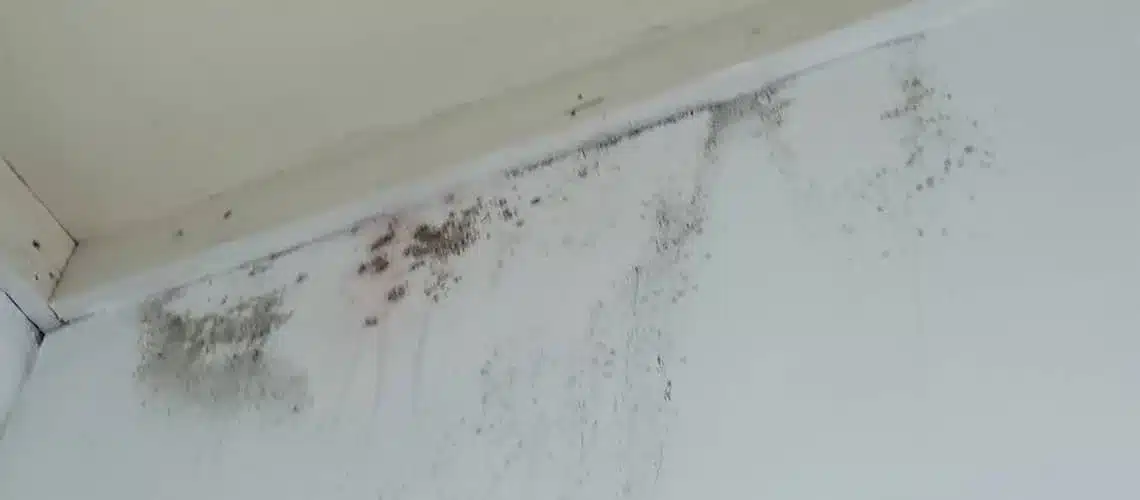
This update makes it especially important to treat recurring moisture complaints as more than cosmetic issues. A stain or musty odor may have an underlying source that needs attention even if the visible area looks minor.
Respond promptly to reports of leaks, persistent dampness, unexplained odors, or suspected growth.
Investigate likely moisture sources, including plumbing, roofs, windows, drainage, condensation, and ventilation.
Document the report, observations, repairs, and follow-up communications.
Use the appropriate maintenance or remediation professionals to correct the underlying problem, as needed.
Consider an independent environmental evaluation when the source, extent, or reported conditions remain uncertain, or when project documentation would be helpful.
These are practical risk-management steps, not a new statutory checklist requiring a particular test in every case. The legal implications of any individual situation depend on the facts and applicable law.
What tenants should know about moisture and mold complaints
Tenants should report leaking, persistent dampness, or suspected mold-related conditions promptly and in writing. Useful details include the date, location, photographs, descriptions of recurring conditions, and copies of communications with the property manager or landlord.
The existing habitability statute contains requirements relating to complaints, notice, and remedies. A tenant’s legal options depend on those requirements and the circumstances; a visible spot or a single laboratory result does not automatically resolve a legal question. Tenants seeking advice on rights or remedies should consult an appropriate housing organization or qualified attorney.
Why moisture problems are common in Maine rental properties
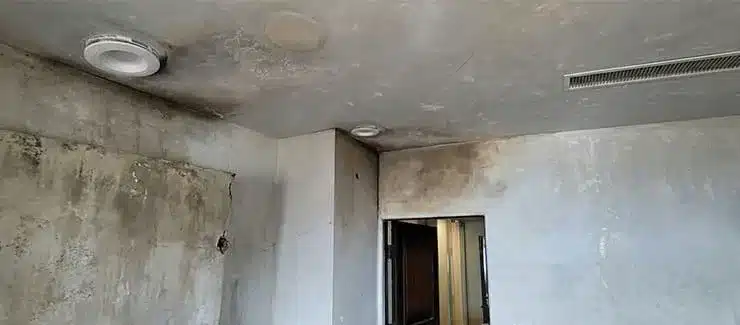
Maine’s climate brings different moisture pressures throughout the year. During winter, warm interior air can meet cold walls or windows, creating condensation in corners, closets, and behind furniture. Ice dams or roofing problems can also lead to water intrusion.
During spring thaw and rainy periods, basement and crawlspace dampness can increase, especially where drainage or foundation conditions allow water to enter. Plumbing leaks, exhaust fan problems, and persistently high indoor humidity can contribute in any season.
The central principle has not changed: controlling moisture is essential to preventing recurring indoor mold growth. Covering a stain without resolving its source does not correct the underlying moisture problem.
Does Maine’s new law require mold testing in every rental?
No. The new subsection addresses qualifying moisture-related biological growth; it does not create a blanket requirement for every Maine landlord to order laboratory mold testing for every rental unit or complaint.
In fact, the U.S. Environmental Protection Agency advises that sampling is often unnecessary when visible mold is already present. The immediate priority is to identify and address moisture and the affected materials. Sampling may be useful for particular questions, but the purpose and limitations of the test should be clear in advance.
Independent testing or assessment may be worth discussing when the source of an odor is unclear, the affected area is difficult to evaluate, the property has a complicated moisture history, or the owner needs documented information to inform a next step. The right approach depends on the specific concern and agreed scope.
What a professional moisture or mold evaluation may include
Depending on the property and project scope, an independent environmental consultant may review the moisture history, inspect accessible areas, document visible conditions, and take relevant environmental or material measurements. Where justified by the evaluation, air or surface samples may be collected for laboratory analysis.
Not every evaluation requires sampling, and one test does not describe every room or hidden location in a building. The findings should explain what was evaluated, what was not, and how results relate to the agreed scope.
Evergreen Air Quality Services provides independent environmental testing and reporting. We do not sell mold remediation, removal, cleanup, restoration, or repair work. That distinction keeps our evaluation separate from any later corrective work a property owner chooses to arrange.
A practical response plan for Maine rental properties
1. Record the concern. Note when and where a leak, musty odor, visible growth, or persistent dampness was reported.
2. Investigate the moisture source. Look beyond the visible stain to plumbing, weather-related intrusion, ventilation, condensation, or drainage.
3. Address the cause and affected materials. Engage the appropriate repair or remediation professionals where necessary.
4. Decide whether an independent evaluation would answer an unresolved question. Testing should be selected for a clear purpose, not as a universal step.
5. Keep a clear record. Retain photographs, inspection notes, communications, corrective-work records, and any reports relevant to the situation.
This practical approach can help landlords and property managers respond consistently while giving tenants clearer information about the status of a concern.
Frequently asked questions
01. Is Maine’s updated rental mold law in effect now?
Yes. The Maine Indoor Air Quality Council’s summary identifies July 29, 2026, as the effective date. The provision appears in 14 M.R.S. §6021(6-B).
02. Does the law cover apartment hallways and other shared areas?
The statute’s definition of a dwelling unit includes common areas of rental housing. Whether a particular space is covered depends on the circumstances.
03. Does every mold complaint require laboratory testing?
No. The law does not impose a universal laboratory-testing requirement. The need for inspection or sampling depends on the condition and the question being evaluated.
04. What if the tenant contributed to the moisture problem?
The new subsection specifically refers to moisture or humidity conditions outside the tenant’s control. Responsibility and remedies can be fact-specific, so neither owners nor tenants should assume that a single general rule settles every situation.
05. Can a mold report prove a landlord has violated the law?
A report can document conditions observed or measured within its scope. It is not, by itself, a legal determination that a landlord has breached the warranty of habitability.
06. What is the most useful first step after a moisture complaint?
Document the concern and investigate the moisture source promptly. Addressing water entry or persistent dampness is usually more important than focusing only on surface discoloration.
Need independent mold or indoor air quality testing in Maine?
Evergreen Air Quality Services helps homeowners, rental property owners, and property managers understand selected indoor environmental conditions through independent testing and reporting. If you have a recurring moisture concern or need help deciding whether an evaluation would be useful, contact our Maine team to discuss the appropriate scope.
Call (207) 310-7733 or learn more about
Disclaimer: This article provides general educational information, not legal advice. Legal requirements and remedies depend on the facts and applicable law. For legal questions, consult a qualified attorney.