
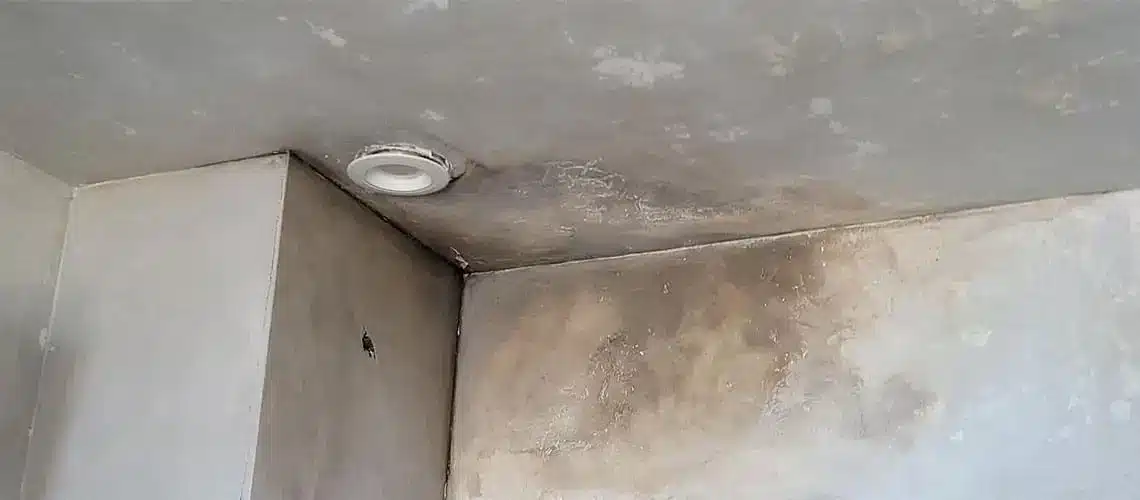
February is one of the most comfortable months in Florida. The heat eases, humidity drops, and rain becomes lighter and more scattered. That comfort can be misleading.
When homes stay closed for longer periods, moisture can linger in places you cannot see, such as wall cavities, closets, and HVAC pathways. This is why February often reveals early signs of mold in the house, even when there has been no major leak or flooding event.
Florida homes manage moisture differently than colder climates. Warm outdoor air still carries water vapor, while indoor surfaces remain cooler. When these conditions meet, the dew point can be reached inside the building envelope. That is where hidden mold problems often begin.
Evergreen Air Quality Services helps Florida homeowners confirm indoor conditions through professional testing and clear, unbiased reporting. The focus is testing and documentation only, so the information you receive is objective, data-driven, and pressure-free.
Why February Is a Common Month for Mold Signs in Florida Homes
Florida’s winter weather creates a very specific indoor pattern. Homes stay closed more often, ventilation drops, and HVAC systems may run less consistently. Moisture from earlier rain events can remain trapped inside building materials.
Two building-science forces matter most in February:
1. Negative Pressure
Bathroom fans, kitchen exhausts, and HVAC airflow can create slight negative pressure inside a sealed home. This pulls humid outdoor air through small gaps around outlets, baseboards, and wall-to-floor joints.
2. Inward Vapor Drive
Florida sun heats damp exterior materials like stucco, brick, and concrete block. Moisture stored in those materials turns into vapor and moves inward toward cooler indoor surfaces. If that vapor reaches the dew point behind drywall, condensation forms where you cannot see it.
These conditions are a primary reason Florida homeowners begin noticing signs of mold in the house during February.
If you are searching for “signs of mold in the house” and want clear answers, Evergreen Air Quality Services provides professional testing with unbiased results.
📞 Call 407-625-4458
Allergy-Like Symptoms That Only Happen Indoors
Another common February pattern is physical symptoms that improve when you leave the home. These may include:
1. Sneezing or congestion indoors only
2. Itchy or irritated eyes in specific rooms
3. Headaches that fade outside
4. Discomfort that appears after HVAC cycles
This does not diagnose any medical condition. It simply suggests the indoor environment may be contributing.
In Florida, mold risk increases when indoor relative humidity stays above 60 percent, especially in enclosed spaces like closets, cabinets, and interior corners where airflow is limited. This is why signs of mold in the house can appear even when the thermostat looks normal.
Increased Moisture Without a Clear Leak
February mold concerns often appear without visible water damage. Homeowners may notice:
1. Drywall that feels soft in one spot
2. Condensation on windows or near vents
3. Flooring that feels slightly swollen or uneven
4. Moisture that appears and disappears
Common hidden moisture sources in Florida include:
1. Minor roof or window seepage after passing fronts
2. HVAC condensation or drainage limitations
3. Slab-on-grade moisture wicking through porous concrete
4. Plumbing joints reacting to temperature shifts
When moisture has no clear explanation, professional testing is the most reliable way to confirm indoor conditions.
If you are searching “signs of mold in the house” because moisture feels unusual indoors, Evergreen Air Quality Services can test and explain the results clearly.
📞 Call 407-625-4458
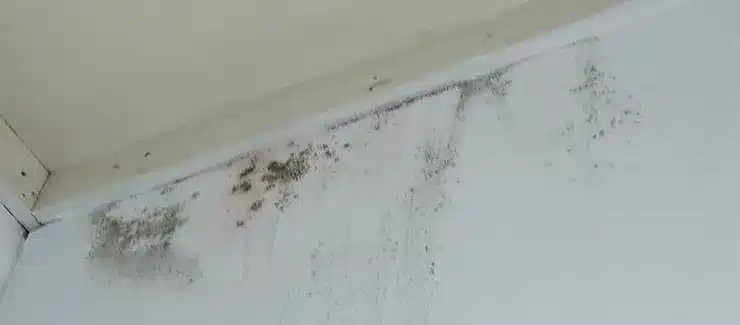
Why Mold Often Stays Hidden in Florida Homes
Mold does not need light to grow. Behind drywall, under flooring, and inside insulation, conditions can remain ideal for long periods.
Florida homes are especially vulnerable because:
1. Warm indoor temperatures exist year-round
2. Building materials retain moisture longer
3. Ventilation patterns change seasonally
4. HVAC systems may short-cycle during mild weather
HVAC Stagnation and February Odors
When temperatures hover between 65°F and 75°F, HVAC systems often enter stagnation mode. Because the system does not run long enough to complete a full dehumidification cycle, moisture can settle on evaporator coils and inside supply plenums. This is why some homeowners notice a musty smell only during the first few minutes of an HVAC cycle.
This is another reason signs of mold in the house often appear before visible growth.
The Conflict of Interest: Why Florida Law Requires Independent Testing
To protect homeowners, Florida Statute § 468.8419 prohibits a company from performing both mold assessment and remediation on the same property within a 12-month period.
Evergreen Air Quality Services strictly follows this testing-only standard. This ensures:
1. No financial incentive to find mold
2. Objective laboratory-based results
3. Reports suitable for homeowners, landlords, buyers, and documentation needs
The Science of Environmental Testing and How Evergreen Confirms Conditions
Professional mold testing is a building-envelope evaluation, not a visual guess.
Evergreen Air Quality Services uses a data-driven approach that may include:
1. Infrared thermography to identify thermal anomalies linked to hidden moisture
2. Non-invasive moisture mapping of drywall and flooring materials
3. Calibrated hygrometers to measure relative humidity and dew point shifts
4. Air and surface sampling when environmental data support it
5. Independent laboratory analysis through accredited third-party labs
Turnaround times are based on laboratory processing:
-
Mold testing results are typically available within 48 hours
-
Bacteria and fungus testing results are generally delivered within one week
These environmental tests are not medical diagnostics.
Evergreen Air Quality Services provides testing and reporting only, ensuring results remain unbiased and legally defensible.
Frequently Asked Questions
1. Are signs of mold in the house common in February in Florida?
Yes. Reduced ventilation, HVAC stagnation, and lingering moisture make February a common month for early mold indicators.
2. Can mold exist without visible growth?
Yes. Mold often develops behind walls, under floors, or inside insulation long before it becomes visible.
3. Why does my home smell musty only sometimes?
Pressure shifts, airflow changes, and HVAC cycling can move air from hidden spaces into living areas.
4. What humidity level increases mold risk in Florida homes?
Risk increases when indoor relative humidity stays above 60 percent, especially in enclosed areas.
5. Does Evergreen Air Quality Services remove mold?
No. Evergreen Air Quality Services provides testing and reporting only.
If you are noticing signs of mold in the house and want clear answers without pressure, Evergreen Air Quality Services provides professional environmental testing across Florida.
📞 Call 407-625-4458 to schedule testing and understand your indoor environment with confidence.
