
When “Normal Florida Summer” Stops Feeling Normal
Most Florida homeowners stop noticing elevated humidity sometime in early summer.
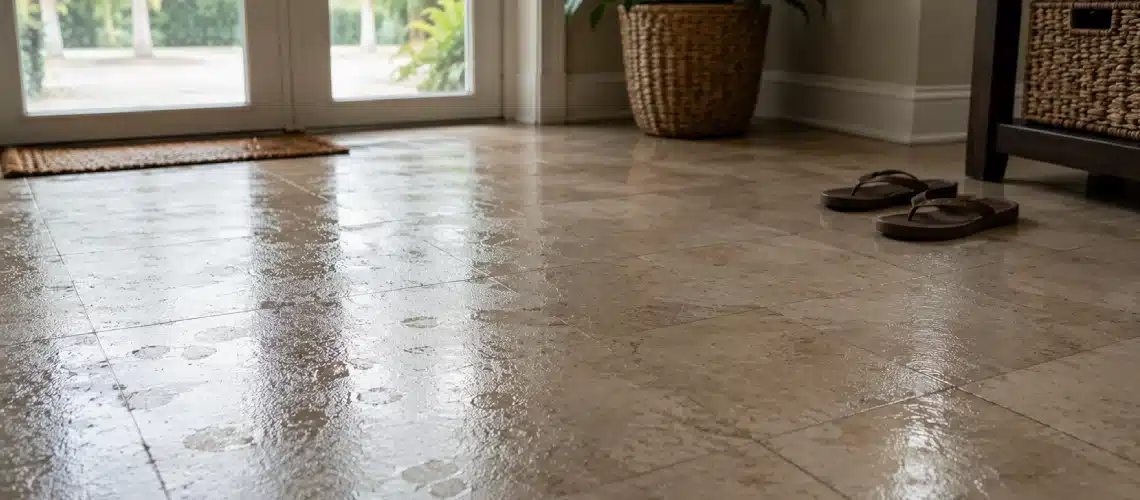
The air feels slightly heavier. Towels take longer to dry. Floors feel faintly tacky even after cleaning. The bathroom mirror clears more slowly than usual. None of this feels dramatic at first.
Because everyone experiences the same climate, these conditions are quickly normalized. However, at some point, what feels like “Florida summer” is no longer occasional humidity; it has become constant indoor humidity that never fully resets.
That slow accumulation of moisture is where the problem starts, affecting both comfort and indoor air quality.
Quick Answer
Florida homes feel constantly humid in summer because outdoor moisture levels stay high day and night, and indoor humidity often remains above recommended levels for extended periods.
Even when a home feels comfortable, mold spores can begin to grow within 24 to 48 hours under the right moisture conditions.
What Florida Homeowners Usually Ask First
1. Why does my Florida home always feel humid in summer?
Outdoor humidity remains consistently high, and indoor moisture enters through showers, cooking, laundry, and small gaps in the building envelope.
2. Is this normal in Florida homes?
It is common, but not ideal. Indoor humidity should stay between 45 and 55 percent.
3. Can constant humidity damage my home?
Yes. Elevated humidity accelerates mold growth, attracts pests, and can damage wood, insulation, and drywall over time.
What Is Actually Happening Inside Your Home
Humidity enters faster than it can leave. Even in air-conditioned homes, moisture infiltrates through doors, windows, showers, cooking, and routine air exchange. When the system cannot remove moisture efficiently, humidity gradually builds up. The key issue is not temperature but accumulated moisture over time.
When indoor humidity stays elevated long enough, it changes how the home feels, even if the air temperature remains comfortable.
Why This Is Worse in Florida
Florida homes face unique challenges:
-
Outdoor humidity often stays high day and night
-
Tighter building envelopes for storm protection and energy efficiency trap moisture indoors
-
Concrete block and stucco construction retains heat and humidity differently than wood-frame homes
-
Sealed, air-conditioned environments slow natural drying
These patterns are especially common across Central Florida, including Orlando, Tampa, and surrounding communities, where summer moisture levels stay elevated for long periods.
This explains why indoor humidity can feel “normal” even when it is continuously elevated.
The Number That Matters
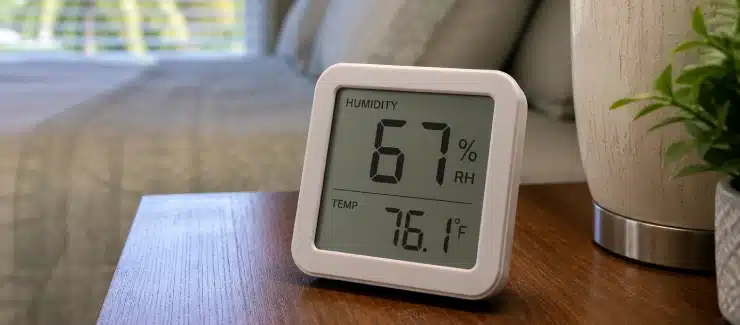
The key threshold is 60 percent. Indoor humidity above 60 percent creates conditions where mold spores can begin to grow under the right moisture conditions.
The EPA recommends keeping indoor humidity between 30 and 50 percent, with 60 percent as the upper limit. Many Florida homes exceed this threshold without homeowners realizing it. A simple hygrometer can help confirm whether your home is staying within the recommended humidity range.
Real-World Scenario
A 2,200-square-foot home in Orlando, built in 2008, shows normal cooling performance. The thermostat is set to 75, and the AC runs in short cycles.
Humidity readings reveal:
-
Kitchen: 58 percent
-
Master bedroom: 67 percent
-
Walk-in closet: 71 percent
No visible mold, stains, or leaks are present, yet two rooms are consistently above safe humidity levels, creating hidden long-term indoor air quality concerns.
Expert Insight
“In Florida homes, constant summer humidity is often normalized because it feels familiar. But sustained indoor moisture levels above recommended ranges can quietly create conditions that affect indoor air quality over time.”
Lynn Campbell, CIEC
Certified Indoor Environmental Consultant
Evergreen Air Quality Services – Florida
Signs Your Home Has Crossed the Line
Testing should be considered if two or more of the following appear:
• AC runs frequently but air still feels heavy
• Towels or clothes dry slowly indoors
• Floors feel slightly tacky
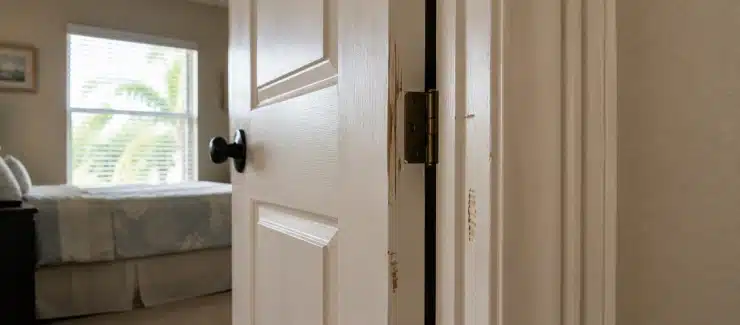
• Doors stick or swell
• Allergy symptoms increase indoors
• Mirrors clear slowly after showers
• Humidity consistently above 60 percent
• Musty odor appears without visible water
When Testing Makes Sense
If indoor humidity stays elevated, testing helps identify the underlying causes.
We test only. No HVAC sales. No remediation. No upsell. Testing identifies whether moisture is consistent throughout the home or concentrated in specific areas, giving a clear baseline for action.
Why This Matters
Constant indoor humidity affects more than comfort. It contributes to:
• Mold growth in hidden areas
• Increased dust mite activity
• Moisture absorption in furniture, flooring, insulation, and structural wood
• Material degradation over time
Early testing helps prevent long-term uncertainty and supports targeted solutions.
Disclaimer
This content is for educational purposes only and does not replace professional indoor air quality testing. Conditions vary by home and location.
FAQ
1. What is the ideal indoor humidity for a Florida home?
Between 45 and 55 percent is ideal. Above 60 percent increases mold-risk conditions.
2. How do I measure indoor humidity?
A digital hygrometer can measure humidity in different rooms over several days.
3. Does running the AC fix humidity problems?
Not always. Some systems do not remove moisture efficiently.
4. Should I use a dehumidifier?
Portable units help individual rooms. Whole-home dehumidifiers integrated with HVAC address the entire house.
5. Can I have mold without visible signs?
Yes. Mold can grow in hidden areas before any visual indicators appear.
6. How fast can mold develop?
Under suitable conditions, mold can begin growing within 24 to 48 hours.
7. Should HVAC be running during testing?
In most cases, normal operating conditions provide the most accurate snapshot of indoor air quality. Follow pre-test instructions before sampling.
Schedule Indoor Air Quality Testing in Central Florida
If your Florida home feels constantly humid or indoor humidity readings stay above 60 percent, testing can help identify whether moisture is concentrated in specific areas or affecting the home more broadly.
Schedule indoor air quality testing for your Central Florida home.
Certified lab results in 24–48 hours.
Call (407) 625-4458 or book online.
About the Reviewer
Lynn Campbell is a Certified Indoor Environmental Consultant (CIEC) serving Florida. She specializes in indoor air quality testing, humidity-related conditions, and environmental analysis in high-moisture climates. Her work focuses on independent assessments without HVAC sales or remediation services.
