
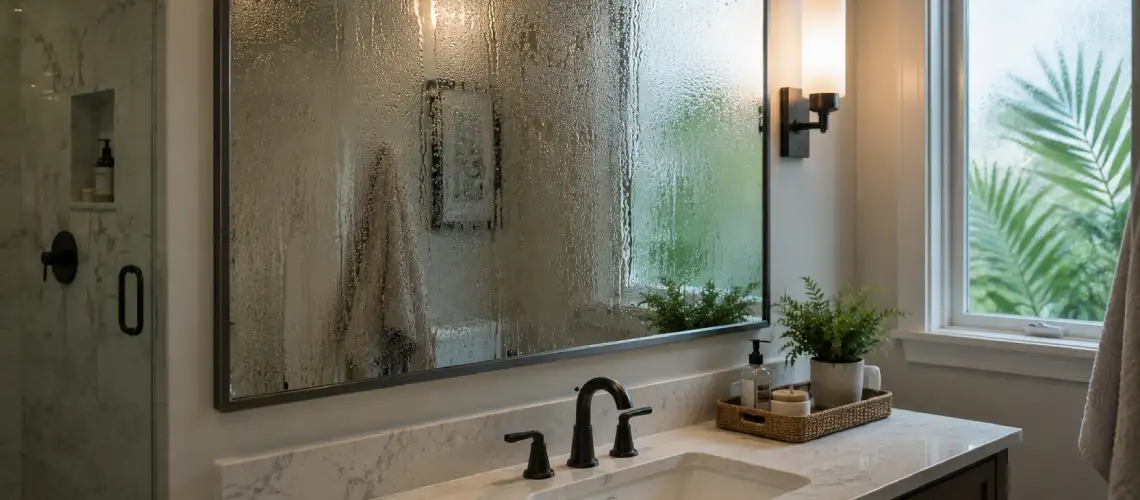
Your AC is running, but the air still feels heavy. Some rooms feel different from others, and the comfort you expect never fully settles.
There are no visible leaks, standing water, or obvious sources of moisture. Yet the indoor environment still feels slightly off.
In many Florida homes, this happens because humidity becomes trapped indoors instead of being fully removed. Over time, that moisture begins affecting airflow, surfaces, and enclosed structural areas without producing immediate warning signs.
What makes this difficult is how gradually these changes develop. By the time conditions feel consistently uncomfortable, moisture may already be affecting materials behind walls and inside hidden spaces.
If your home feels humid, uneven, or difficult to keep comfortable, these changes are often linked to how humidity behaves indoors rather than a visible issue.
Evergreen Air Quality Services provides independent indoor environmental testing across Florida without remediation or repair bias.
Quick Summary
Florida homes trap humidity when moisture from outdoor air enters indoor spaces but is not fully removed due to airflow limitations, HVAC behavior, and environmental exposure.
This trapped humidity can lead to hidden moisture inside walls, uneven indoor comfort, musty odors, and persistent damp conditions without visible leaks.
Evaluation helps identify these environmental changes early before moisture-related conditions continue developing.
What Does It Mean When Florida Homes Trap Humidity?
Humidity trapping occurs when moisture from outdoor air remains inside the home instead of being properly removed through ventilation and airflow exchange.
In Florida, this happens because homes are continuously exposed to warm, humid outdoor conditions while modern construction reduces natural airflow.
As moisture accumulates indoors, humidity begins affecting surfaces, enclosed materials, and overall indoor comfort even when no visible issue appears.
Why Florida Homes Hold Humidity Indoors
Florida homes operate in a constant high-humidity environment. Outdoor air regularly carries moisture into the home through airflow movement, small openings, and pressure differences.
Modern construction is designed to improve cooling efficiency by sealing indoor spaces more tightly. While this supports energy performance, it also reduces natural ventilation that would normally help release indoor humidity.
This combination allows moisture to remain trapped indoors and build gradually over time.
Environmental factors such as humidity levels, airflow patterns, and temperature differences are widely recognized as major contributors to indoor condition changes in residential environments.
Why Humidity Gets Worse in May
Late spring creates a noticeable shift in indoor conditions across Florida.
In May, outdoor air begins carrying higher moisture levels while HVAC systems run longer cooling cycles throughout the day. However, cooling and moisture removal are not always the same process.
When humidity enters faster than it is removed, indoor conditions gradually begin feeling heavier and less balanced.
This is often why homes feel humid even when indoor temperatures appear normal.
How Humidity Turns Into Moisture Inside Walls
Humidity does not remain suspended in the air indefinitely.
As humid air moves through the home, it comes into contact with cooler materials such as drywall, ceilings, insulation, and framing components. Over time, condensation begins forming on or within these surfaces.
Materials gradually absorb that moisture.
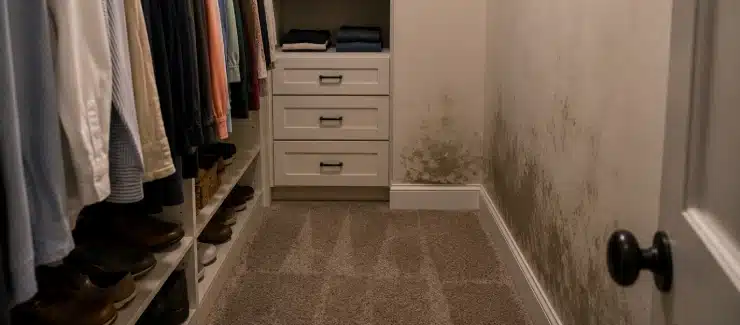
This is how hidden moisture develops inside walls and structural areas without visible water intrusion or obvious damage.
Because the process happens slowly, many homeowners do not realize moisture is present until indoor conditions begin feeling noticeably different.
How HVAC Systems Influence Indoor Humidity
HVAC systems strongly influence how humidity behaves indoors.
Cooling cycles may reduce temperature quickly, but they do not always operate long enough to remove moisture effectively. Pressure differences created by the system can also pull humid outdoor air into the home through small gaps and openings.
Once inside, airflow distributes that humidity throughout the indoor environment.
Instead of fully removing moisture, the system may unintentionally circulate it through multiple areas of the home.
This explains why indoor conditions may feel uncomfortable even when the system appears to be functioning normally.
Signs Humidity Is Affecting Indoor Conditions
Humidity-related issues usually appear through subtle environmental changes rather than obvious damage.
Common signs include:
-
Musty or damp odors
-
Uneven humidity between room
-
Air that feels heavy or less fresh
-
Indoor discomfort even when temperatures appear normal
-
Persistent dampness near walls or enclosed areas
👉 If these signs feel familiar, understanding how humidity behaves indoors is the first step before deciding whether further evaluation is needed.
Why Evaluation Matters
Humidity-related conditions are not always visible, and assumptions often lead to incorrect conclusions.
Evaluation helps identify measurable environmental changes caused by humidity and moisture rather than relying on visible signs alone.
👉 When to Test Indoor Air Quality in Florida can help determine the right time to evaluate changing indoor conditions
👉 Indoor air quality testing helps measure how humidity is affecting indoor environments
👉 If hidden moisture is suspected inside structural areas, moisture mapping helps identify where moisture may be present
👉 If moisture-related conditions may be influencing airborne conditions, mold testing can help confirm environmental changes
Measured results help distinguish between normal humidity behavior and conditions that may require further evaluation.
How to Reduce Indoor Humidity
Reducing indoor humidity starts with controlling airflow and monitoring indoor conditions consistently.
Helpful steps include:
-
Monitoring indoor humidity levels
-
Maintaining HVAC systems regularly
-
Improving airflow and ventilation
-
Addressing areas where moisture may accumulate
These measures can help manage humidity, but they do not confirm whether hidden moisture is already present inside structural materials.
When to Evaluate Indoor Conditions
Evaluation is often considered when indoor conditions begin feeling consistently different without a clear explanation.
Common situations include:
-
Humidity levels remain elevated
-
Air feels heavy or inconsistent
-
Musty odors continue appearing
-
Certain rooms feel more damp than others
These patterns often indicate that indoor conditions are being affected by humidity beyond normal levels.
Without proper evaluation, these conditions are often misinterpreted, allowing hidden moisture to continue affecting indoor environments over time.
If your home feels humid, heavy, or consistently uncomfortable without a visible cause, evaluation helps clarify what is actually happening inside the indoor environment before conditions become more difficult to manage.
Evergreen Air Quality Services provides independent indoor environmental testing across Florida.
Frequently Asked Questions
1. Why do Florida homes trap humidity even with air conditioning?
Air conditioning primarily cools indoor air but may not always remove moisture effectively during periods of high outdoor humidity.
2. Can humidity cause hidden moisture inside walls without leaks?
Yes. Humidity can condense on cooler materials and gradually absorb into drywall, insulation, and framing without visible water intrusion.
3. What humidity level is considered too high indoors?
Indoor humidity above 50 percent can begin affecting comfort and allow materials to retain excess moisture over time.
4. Why does my house feel humid even when the AC is running?
Cooling cycles may reduce temperature quickly without fully removing moisture from indoor air.
5. When should indoor humidity conditions be evaluated?
Evaluation is often considered when indoor air feels heavy, humid, uneven, or consistently uncomfortable without a visible explanation.
6. Can humidity contribute to mold-related conditions?
Yes. Persistent humidity can create conditions that allow moisture-related microbial activity to develop over time.
7. Does Florida humidity become worse during certain months?
Yes. Late spring and summer typically bring higher outdoor humidity levels that increase indoor moisture exposure.
