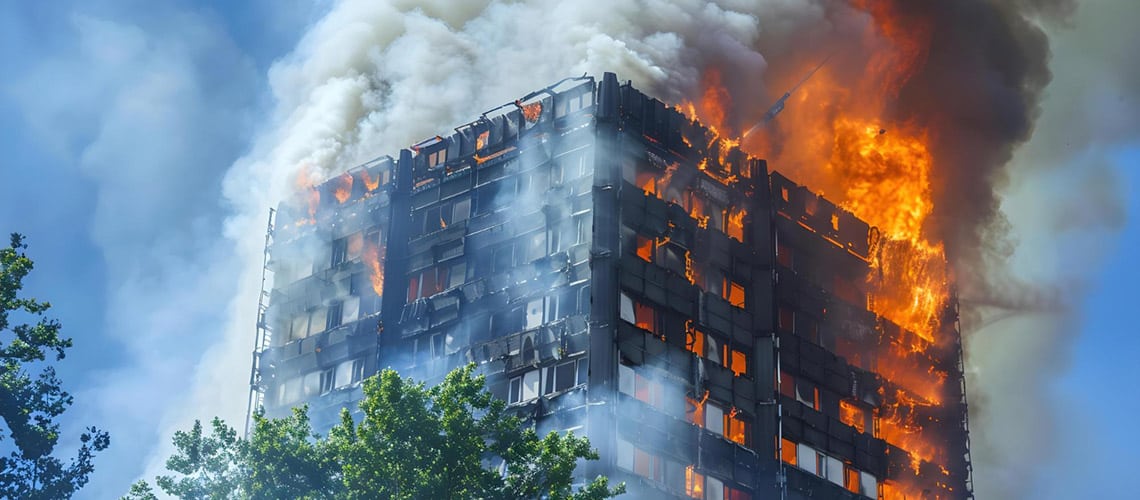
Natural disasters such as floods and fires leave significant damage behind, affecting both property and personal health. After a flood or fire, the cleanup process can feel overwhelming. Many homeowners and businesses focus on visible damage. However, one of the most critical aspects of recovery is often overlooked: indoor air quality.
In Florida, where hurricanes, storms, floods, and fire-related disasters are common, indoor air quality can be severely compromised. Evergreen Air Quality Services provides certified air quality testing after flood or fire, ensuring your home or business is free from hidden hazards such as mold, smoke particles, VOCs, and dust. This blog explains why testing your indoor air is crucial during disaster recovery and how it protects your health.

The Impact of Floods and Fires on Air Quality
After a flood or fire, your home or business may have air contaminated with pollutants that are harmful to health. Even after visible cleanup, these pollutants can linger and cause problems if left unaddressed. Common post-disaster air quality risks include:
Mold Growth: Flooding often causes water damage, which creates ideal conditions for mold. Mold can spread quickly in moist areas, including behind walls, under floors, and in ventilation systems. Mold is not only damaging to property but can also trigger respiratory problems, allergic reactions, and long-term health issues.
Smoke Particles: Fires release harmful chemicals and fine particles into the air. Even after flames are extinguished, smoke particles can remain suspended or settle on surfaces. Inhaling these particles can cause respiratory irritation and other health problems.
Dust and Debris: Both floods and fires stir up dust, ash, and debris that circulate in the air. These airborne particles can aggravate asthma, COPD, and other respiratory conditions, making recovery more difficult.
While visible damage may be repaired quickly, the invisible pollutants in your air can continue to pose risks if not professionally tested.
How Air Quality Testing Helps During the Recovery Process
Certified air quality testing after flood or fire is essential to identify hazards that are not immediately visible. Here are the key ways testing can aid disaster recovery:
Detecting Mold and Moisture: Mold can develop within 24 to 48 hours after water exposure and often grows in hidden spaces. Professional testing identifies mold spores in the air, even in areas that appear clean. Early detection allows you to take appropriate action to prevent mold from spreading.
Identifying Lingering Smoke Particles: Smoke particles can remain for weeks or months after a fire. Air quality testing detects these particles and helps ensure your home or business is properly ventilated and cleaned, reducing health risks.
Assessing VOCs and Other Contaminants: Volatile Organic Compounds are released from burned materials, chemicals, and cleaning agents. VOCs can cause headaches, dizziness, and long-term health effects. Certified testing measures VOC levels and provides guidance for remediation.
Ensuring Proper Ventilation: Testing assesses the effectiveness of your ventilation system and identifies areas where airflow needs improvement to remove pollutants.
Providing Peace of Mind: After a disaster, stress levels are high. Testing your air ensures your indoor environment is safe and free from harmful contaminants, giving you confidence as you rebuild.

Why You Should Choose Evergreen Air Quality Services for Disaster Recovery
Evergreen Air Quality Services specializes in certified testing services for homeowners and businesses recovering from floods or fires in Florida. Our team provides accurate results and actionable recommendations. Here is how we support disaster recovery:
Professional Testing – We use state-of-the-art equipment to detect mold, VOCs, smoke particles, and other pollutants. Our team provides a detailed analysis and actionable advice.
Mold Testing – Our certified tests identify hidden mold. While we do not perform remediation, we guide you on next steps to restore safe air.
Smoke Damage Testing – We detect lingering smoke particles after a fire and provide recommendations for safe cleanup.
Ventilation Improvements – We assess your HVAC and ventilation systems and suggest improvements for effective airflow and contaminant removal.
Customized Solutions – Each property is unique. We offer tailored testing solutions to fit your specific needs, whether residential or commercial.
Evergreen Air Quality Services is committed to helping Florida homeowners and business owners recover safely by focusing on certified testing, accurate reporting, and practical guidance.
How Evergreen Air Quality Services Can Help You Recover
If your property has been impacted by a flood or fire, it is crucial to address air quality. After visible repairs, schedule air quality testing after flood or fire to uncover hidden pollutants that can affect health.
Take action today to protect your indoor environment. Call Evergreen Air Quality Services at 407-625-4458 to schedule an air quality test or visit our services page to learn more about certified testing options.
By testing early, you can prevent long-term health issues caused by mold, smoke, VOCs, and other pollutants.
FAQ Section
Q1: How soon after a flood or fire should I test the air quality?
A: Test as soon as possible, ideally within a few days after the disaster. Early detection helps prevent additional damage and health risks.
Q2: Will air quality testing detect all types of mold?
A: Yes. Professional testing identifies both visible and hidden mold spores that may compromise indoor air quality.
Q3: How long does air quality testing take?
A: Testing usually takes a few hours depending on property size and pollutants tested. Fast results help you take timely action.
Q4: Can air quality testing be done during the cleanup process?
A: Yes. Testing during cleanup ensures pollutants are addressed before final repairs.
Q5: How often should I test the air after a disaster?
A: We recommend multiple tests during the recovery process, especially after cleaning or repair work, to ensure your environment remains safe.
