
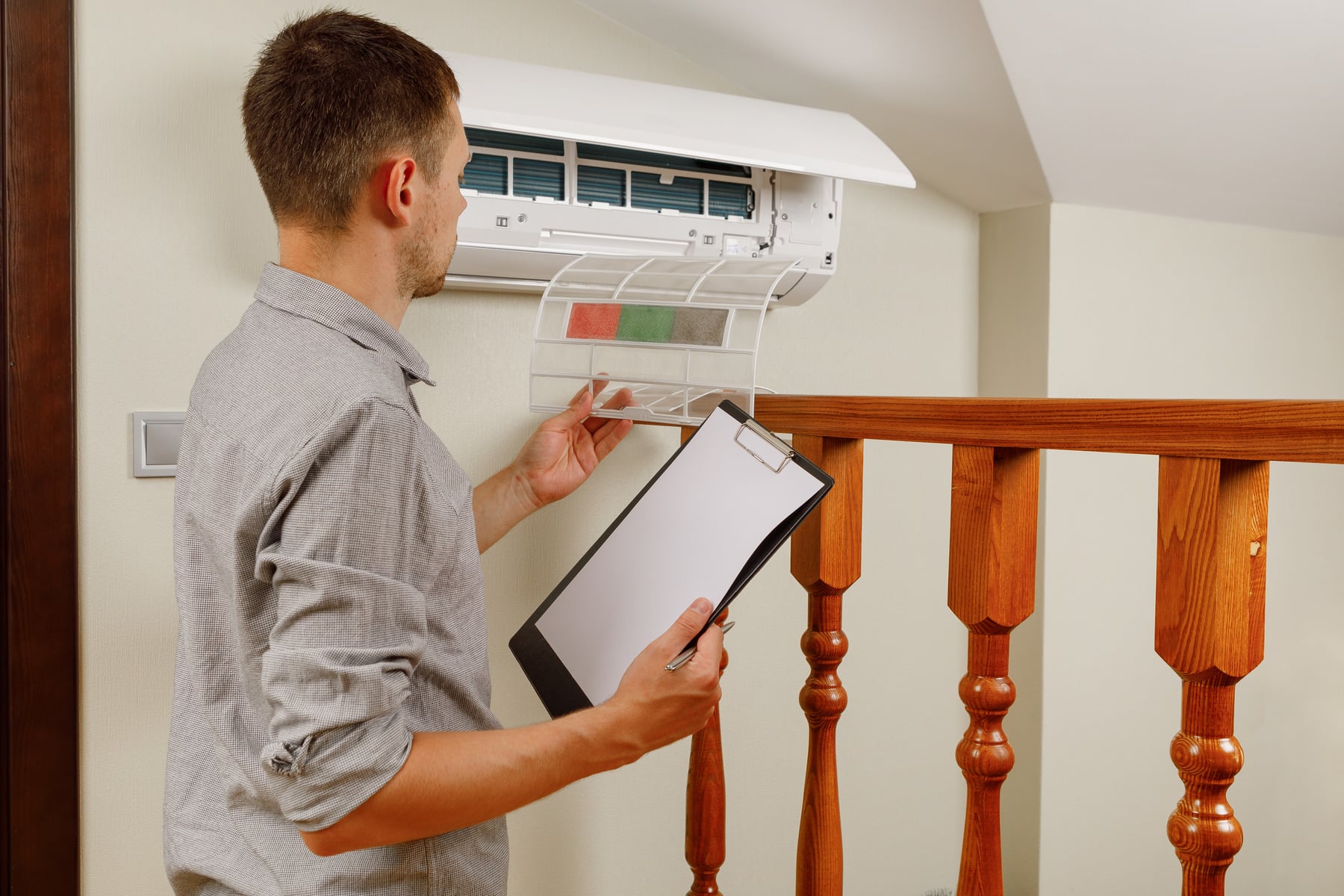
When it comes to indoor air, many of us might assume that what we don’t see or smell isn’t a problem. However, indoor air quality (IAQ) plays a significant role in our health and well-being. Unfortunately, several misconceptions surrounding IAQ testing could lead to misinformation or ineffective solutions. Let’s discuss 10 of the most common myths surrounding indoor air quality.
1. IAQ Testing Only Detects Allergens
Many think air quality testing only measures allergens like dust or pet dander. In truth, IAQ testing can detect various pollutants, including volatile organic compounds (VOCs), carbon monoxide, mold, radon, and more.
2. Testing Once is Enough
Air quality fluctuates due to ventilation, activity levels, and weather. A single test won’t capture the complete picture of your indoor environment. Multiple tests or continuous monitoring offer a more accurate assessment. It is recommended once to twice a year, depending on region and activity in the space.
3. DIY Kits Provide Accurate Results
While DIY air quality kits can give a general sense of the air in your home, they lack the precision and thoroughness of professional testing. They may miss pollutants and are often less reliable. In most cases, they may identify a mold type but will not give levels in the home or office.
4. Air Purifiers Solve All IAQ Problems
Air purifiers can certainly help remove pollutants like dust and allergens, but they don’t address the full range of indoor air issues, such as humidity, mold, or gases like radon. Proper placement of Air purifiers is key.IAQ testing helps identify what needs to be addressed.
5. Poor IAQ is Easy to Spot
Symptoms like headaches or fatigue don’t always point to poor air quality, and many harmful pollutants, such as carbon monoxide, are odorless and invisible. Testing is the only way to be sure about the air you’re breathing.
6. Opening Windows Will Fix Poor IAQ
While fresh air can help improve ventilation, it doesn’t necessarily solve indoor pollution. If outdoor air quality is poor or indoor sources of pollution like mold or chemicals are not dealt with, simply opening windows might not help. Depending on the time of year and region, you could be introducing health hazards into the home or business.
7. Testing Predicts Health Issues
Testing reveals pollutants, but it can’t predict how someone will be affected by them. Individual health responses to air quality vary, and other factors like pre-existing conditions and sensitivity play a role in how someone is impacted.
8. If You Don’t Smell Anything, It’s Fine
Many harmful pollutants are odorless, meaning you could be exposed to something dangerous without even realizing it. Carbon monoxide, radon, and VOCs are just a few examples of pollutants that don’t leave any scent behind. Periodically having the home or business tested is a key factor in identifying odorless pollutants.
9. Indoor Plants Will Solve IAQ Problems
Plants can help improve air quality to an extent, but they aren’t a fix-all. They won’t remove dangerous pollutants like VOCs or mold. Proper ventilation and air filtration systems are key to maintaining healthy indoor air. Sometimes the soil that is used for plants can create indoor pollutants. Be vigilant in identifying what you introduce into your home or business.
10. IAQ Testing is Expensive and Complicated
Many assume that IAQ testing is both costly and complex, but it doesn’t have to be. Affordable DIY kits are available for initial tests, and professional testing is more accessible than you might think.
Understanding these misconceptions can lead to better decision-making about managing your indoor environment. Regular testing and proper solutions will help you maintain healthy, clean air in your home or office.
Contact the Professionals at Evergreen Air Quality
Understanding indoor air quality is essential for maintaining a healthy home or workplace. By dispelling common misconceptions, we can make more informed decisions about when and why to test our indoor air. Poor air quality isn’t always visible, and relying on assumptions rather than professional testing can lead to overlooked health risks. Whether you’re concerned about allergens, mold, VOCs, or other pollutants, regular IAQ testing is a proactive step toward creating a safer and more comfortable indoor environment. If you have questions or suspect air quality issues, consider reaching out to professionals like Evergreen Air Quality Services to ensure you’re breathing clean, healthy air.
