
You work hard to keep your home clean and comfortable. Yet one invisible threat can quietly affect both your health and property value: hidden mold. In Florida’s year-round humidity, mold has ideal conditions to grow even when you can’t see it. The best way to protect your home is with certified mold testing.
Many homeowners wait until they see visible spots or smell a musty odor before testing. But by that point, mold may already be spreading behind walls, inside HVAC systems, or under flooring. Because Florida homes deal with constant moisture, early testing helps you catch problems long before they affect air quality or your home’s structure. Evergreen Air Quality Services provides testing-only, independent results — no remediation, no conflict of interest. For homeowners who want fast, certified results from a Florida-based team, Evergreen can be reached at (407) 625-4458 or through evergreenairqualityflorida.com. This guide offers a seasonal checklist for Florida homeowners and explains when mold detection matters most.
What Makes Mold Detection Different from a Home Inspection
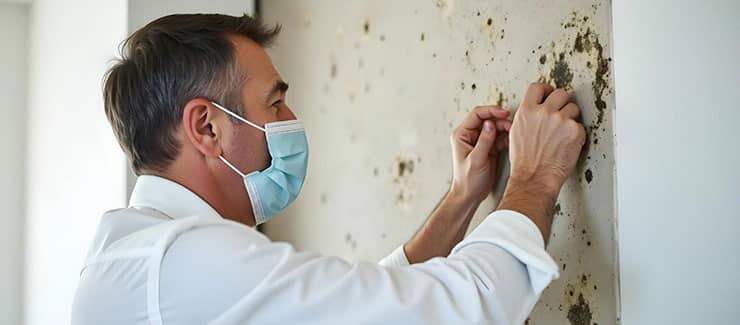
A regular home inspection checks visible systems like roofing, plumbing, and wiring. It identifies obvious problems but does not test for microscopic growth. Traditional inspectors are not trained or certified in mold detection or indoor air testing.
Only a professional environmental testing company can accurately identify airborne spores through lab-verified samples. Our independent mold inspectors focus solely on providing accurate, lab-backed results, without upselling remediation or repairs. This keeps every report unbiased and strictly focused on data.
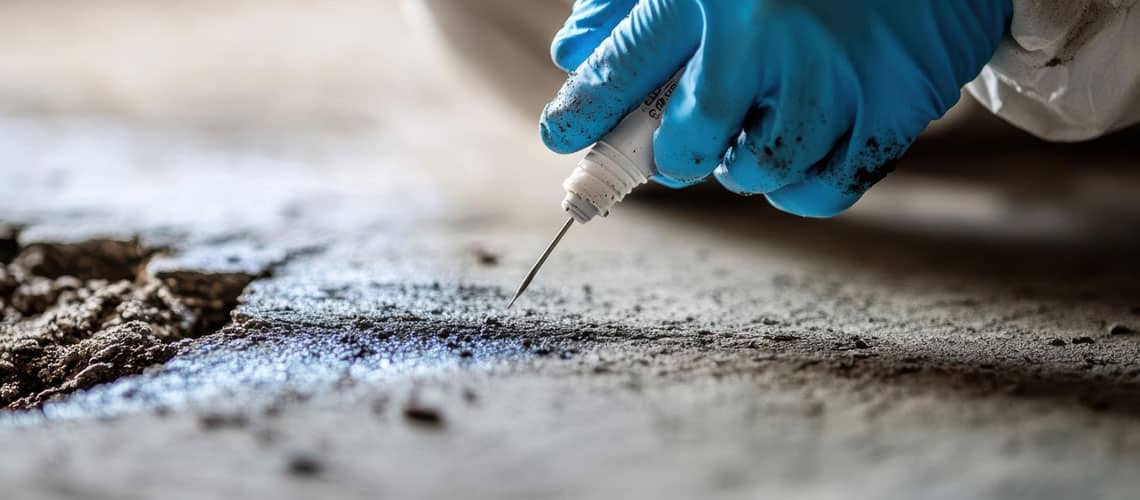
Our service includes a walkthrough, air and surface sampling, and detailed lab analysis. Results are ready in 48 hours for mold and within one week for bacteria and fungus testing. All procedures follow industry-approved testing standards to ensure scientific precision.
Spring: Moisture After Rain and Rising Humidity
Spring in Florida brings warmer air and frequent rain showers. Moisture from leaks, windows, or crawl spaces often goes unnoticed. That combination makes spring one of the most important seasons for indoor air testing in Florida.
If your home experienced roof or plumbing leaks during winter, spores may already be growing. A professional mold inspection can locate hidden colonies before they impact air quality. Pairing mold detection with indoor air testing gives you a clear picture of what’s circulating in your home.
Homes near lakes, heavy vegetation, or shaded areas are especially vulnerable during spring, when humidity spikes quickly.
Evergreen offers professional mold detection at the start of Florida’s rainy season to help homeowners stay ahead of moisture-driven growth.
Summer: Peak Humidity and HVAC Strain
Florida summers bring intense humidity that strains air conditioners and traps indoor moisture. Condensation inside ducts, vents, and coils creates ideal conditions for hidden mold. If you notice a musty odor when your AC turns on, that’s a sign airborne spores may be moving through the system.
Regular indoor air testing during summer can catch issues before they spread. Testing helps ensure your cooling system isn’t circulating elevated spore concentrations throughout your living space.
Evergreen’s mold testing measures airborne spore levels and identifies areas where moisture may be trapped during extreme heat.
Fall: Florida’s Overlooked Mold Season
Many assume mold risk drops after summer, but Florida’s fall weather can be deceptive. Warm days and cooler nights create condensation in attics and crawl spaces. This trapped moisture feeds hidden growth that only certified mold testing can identify.
Fall is also when families close windows and rely heavily on HVAC systems, reducing ventilation. A mold inspection in early fall helps ensure spores haven’t settled in insulation or air pathways over the summer months.
Evergreen also offers VOC testing to identify chemical pollutants from summer renovations or household projects, giving you a fuller view of indoor air health.
Winter: Closed Windows and Trapped Moisture
Florida winters are mild, but homes stay sealed for longer periods. This traps indoor humidity and encourages hidden mold growth behind drywall or under flooring. If you notice window condensation or reduced dehumidifier use, winter is a smart time for mold detection.
Families spend more time indoors during cooler months, making air quality even more important. A winter air quality test can identify elevated spore concentrations, allergens, or moisture issues before they worsen.
Our certified inspectors use precise mold testing and indoor air sampling to identify concerns early.
When Else to Schedule Mold Detection
Certain events should always trigger professional mold testing:
• After a flood, leak, or plumbing issue
• After hurricanes or flood warnings
• Before buying or selling a property
• After water damage from storms
• When symptoms like coughing or headaches worsen indoors
• Following home renovations or major HVAC work
• For restoration service referrals (we do not provide cleanup)
If any of these apply, scheduling an independent test from Evergreen gives you clear, certified data to make informed decisions.
Why Evergreen Air Quality Services Is the Right Choice
Evergreen Air Quality Services provides reliable, testing-only mold detection throughout Florida. We specialize in accurate measurement, quick turnaround, and detailed reporting. We focus solely on detection — no remediation, no conflict of interest, ever.
What you can expect:
• Certified indoor environmental consultants with deep knowledge of Florida humidity
• Clear reports with mold results in 48 hours
• Bacteria and fungus testing results within one week
• Transparent pricing and straightforward communication
• Expertise in mold testing, indoor air quality testing, and VOC sampling
Homeowners looking for certified mold testing can contact Evergreen Air Quality Services at (407) 625-4458. Our Florida office, located at PO Box 781627, Orlando, FL 32878, serves homeowners across the state.
Your Seasonal Mold Detection Checklist
Spring
• Inspect for leaks and water stains
• Schedule mold detection after heavy rain
• Conduct indoor air quality testing if you notice musty smells
Summer
• Monitor HVAC systems for condensation
• Schedule an air quality test to detect airborne spores
• Request mold testing if odors worsen during heat
Fall
• Check attics and crawl spaces for condensation
• Schedule testing after seasonal storms
• Combine mold detection with a VOC test after painting or remodeling
Winter
• Look for condensation near windows and vents
• Schedule a mold inspection if indoor humidity increases
• Plan annual air quality testing before the holidays
Frequently Asked Questions
1. Can I perform mold detection myself using a store kit?
DIY kits cannot provide accurate lab results. Professional mold testing includes air and surface sampling verified by certified laboratories.
2. How often should I schedule professional testing?
At least once a year — more often after storms or leaks.
3. How long does it take to receive results?
Evergreen provides mold detection reports within 48 hours. Bacteria and fungus testing is completed within one week.
4. Does Evergreen handle cleanup or removal?
Evergreen focuses solely on indoor air testing — no remediation or cleaning services.
5. What makes your tests reliable?
All procedures follow certified industry standards and include lab analysis. Results can help support insurance or disclosure requirements during home sales.
6. Do you test for chemicals as well as mold?
Yes. Our VOC tests measure chemical pollutants for a complete picture of indoor air quality.
