
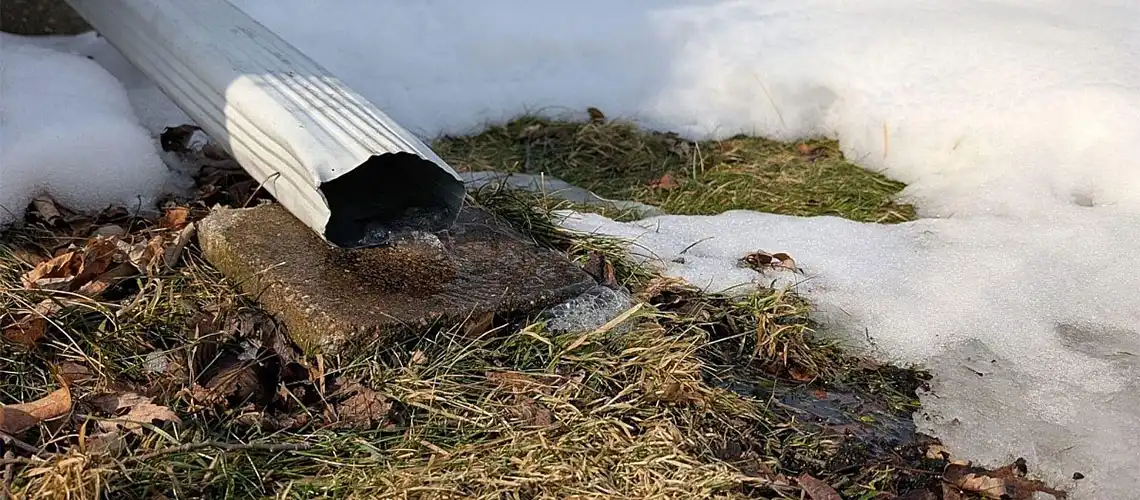
Water intrusion in Maine and New Hampshire homes is a common seasonal concern during late winter and early spring, when melting snow begins to collect around foundations and lower building areas. As frozen ground starts to thaw, excess water may remain near the structure instead of draining away efficiently.
When this happens, water or water vapor can enter building materials and remain trapped over time. Even when no visible water is present, these conditions can still influence the indoor environment through changes in humidity, airborne particles, and overall air quality.
Indoor air quality testing is often used to evaluate airborne changes linked to hidden moisture conditions.
Quick Summary
Water intrusion in Maine and New Hampshire homes often becomes more noticeable during snowmelt, when frozen ground limits drainage and water accumulates around foundations. These conditions may allow hidden moisture to remain inside building materials and affect indoor air over time. Indoor air quality testing does not identify water intrusion directly, but it helps identify measurable airborne changes that may be linked to moisture-related environmental conditions within the home.
Table of Contents
-
What Water Intrusion Means in Residential Homes
-
Why Water Intrusion Happens in Maine and New Hampshire
-
How Water Intrusion Can Affect Indoor Air Quality
-
Signs That May Be Linked to Water Intrusion
-
How Indoor Air Quality Testing Helps
-
Related Testing Services That May Support Evaluation
-
When to Consider Indoor Air Quality Testing
-
Schedule Indoor Air Quality Testing
-
FAQ
What Water Intrusion Means in Residential Homes
Water intrusion is the process where water or water vapor enters building materials such as basements, walls, or crawlspaces and remains trapped, influencing indoor environmental conditions over time.
In residential properties, this may happen when snowmelt, saturated soil, or drainage limitations allow moisture to collect near the structure. In many cases, the effects are not immediately visible, but indoor conditions may still shift as moisture remains inside materials.
Why Water Intrusion Happens in Maine and New Hampshire
Environmental conditions in Maine and New Hampshire create seasonal patterns that increase the likelihood of water intrusion in homes.
During winter, the ground often freezes and restricts natural drainage. As temperatures begin to rise, snowmelt introduces additional water around the property while deeper soil layers may still remain frozen. This can prevent water from draining normally and cause it to collect near basement walls and foundations.
Common contributing factors include:
-
frozen ground that slows drainage
-
snowmelt collecting around the structure
-
saturated soil near foundation walls
-
poor exterior grading or drainage flow
-
hydrostatic pressure against below grade surfaces
-
seasonal temperature fluctuations that affect building materials
In some homes, hidden moisture after snowmelt may be one of the first noticeable signs of this broader seasonal water intrusion pattern.
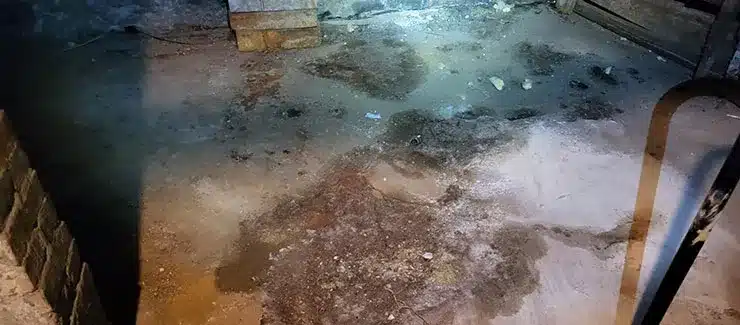
How Water Intrusion Can Affect Indoor Air Quality
Water intrusion does not need to result in standing water to influence indoor air quality. When moisture remains inside building materials, it can affect the indoor environment through gradual airborne and humidity related changes.
These conditions may contribute to:
-
changes in indoor humidity levels
-
increased airborne particulate movement
-
environmental conditions that support biological activity.
-
circulation of affected air through HVAC systems
-
indoor air changes that are not easily visible
In Maine and New Hampshire homes, this is especially relevant after snowmelt, when water intrusion may remain hidden while indoor air begins to feel damp, heavy, or inconsistent.
Signs That May Be Linked to Water Intrusion
Water intrusion is not always immediately obvious. However, certain indoor conditions may suggest that hidden moisture is affecting the environment inside the home.
Signs that may justify further evaluation include:
-
persistent damp or musty odors
-
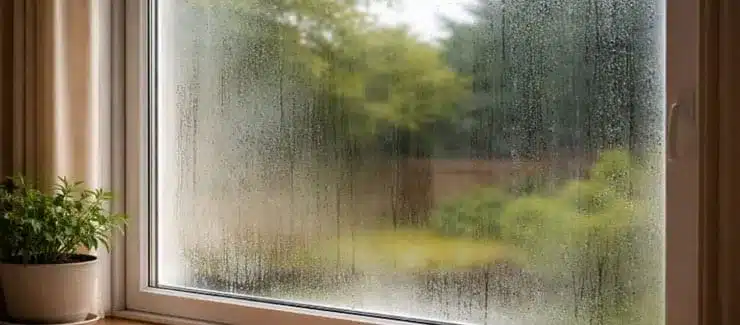
condensation on walls, windows, or pipes
-
discoloration on basement or lower level surfaces
-
a damp or heavy indoor feeling
-
seasonal indoor air changes after snowmelt
-
recurring concerns in lower level areas without a clear visible source
These signs do not confirm a specific issue on their own, but they may indicate the need for objective testing and inspection.
How Indoor Air Quality Testing Helps
Indoor air quality testing can provide measurable information about airborne conditions inside a home. It does not identify water intrusion directly. Instead, it helps evaluate whether hidden moisture conditions may be influencing indoor air.
Air samples are used to assess changes in airborne particulate levels that may be associated with environmental conditions inside building materials. 👉 Learn more about indoor air quality from the United States Environmental Protection Agency (EPA).
Testing may help identify:We use sampling results to evaluate indoor air patterns and compare changes that environmental conditions inside building materials may influence.
-
variations in airborne particle levels
-
changes in indoor environmental conditions
-
indicators of air quality shifts related to hidden moisture
-
patterns that support further evaluation
Indoor air quality testing can also be supported by mold testing when biological indicators are suspected.
Related Testing Services That May Support Evaluation
Indoor air quality testing is often used alongside moisture mapping and mold testing to better understand how environmental conditions may be affecting indoor air.
When used together, these services can help clarify whether airborne changes, hidden moisture patterns, or biological indicators are contributing to ongoing concerns inside the property.
All services are performed as inspection and testing only, which helps ensure findings remain objective and based on certified laboratory analysis.
When to Consider Indoor Air Quality Testing
Indoor air quality testing may be helpful when:
-
water intrusion continues after snowmelt
-
indoor air feels damp or inconsistent
-
odors or air quality concerns return seasonally
-
lower level spaces feel different during spring thaw
-
measured data is needed before making property decisions
In some situations, these conditions may support the need for further air quality evaluation, especially when indoor conditions feel noticeably different.
Schedule Indoor Air Quality Testing
If indoor air feels damp, musty, or inconsistent after snowmelt, schedule indoor air quality testing to understand what is present in your home environment and how conditions may be changing.
Evergreen Air Quality Services provides independent indoor air quality testing across Maine and New Hampshire. Testing is performed without remediation services, so results remain objective and based on certified laboratory analysis.
Call Evergreen Air Quality Services to schedule indoor air quality testing in Maine and New Hampshire.
FAQ
How does snowmelt contribute to water intrusion in homes?
Snowmelt can increase water around the structure, especially when frozen ground limits normal drainage. As water collects near foundations, moisture may enter lower building areas or remain trapped in nearby materials.
Can water intrusion affect indoor air quality?
Yes. Water intrusion can create moisture related conditions inside building materials that influence humidity, airborne particles, and overall indoor environmental quality over time.
Does indoor air quality testing detect water intrusion directly?
No. Indoor air quality testing does not detect water intrusion directly. It helps identify airborne changes that may be linked to hidden moisture conditions within the home.
When should homeowners consider testing?
Testing may be helpful when indoor air feels damp, musty, inconsistent, or when seasonal snowmelt appears to influence indoor conditions inside the property.
