
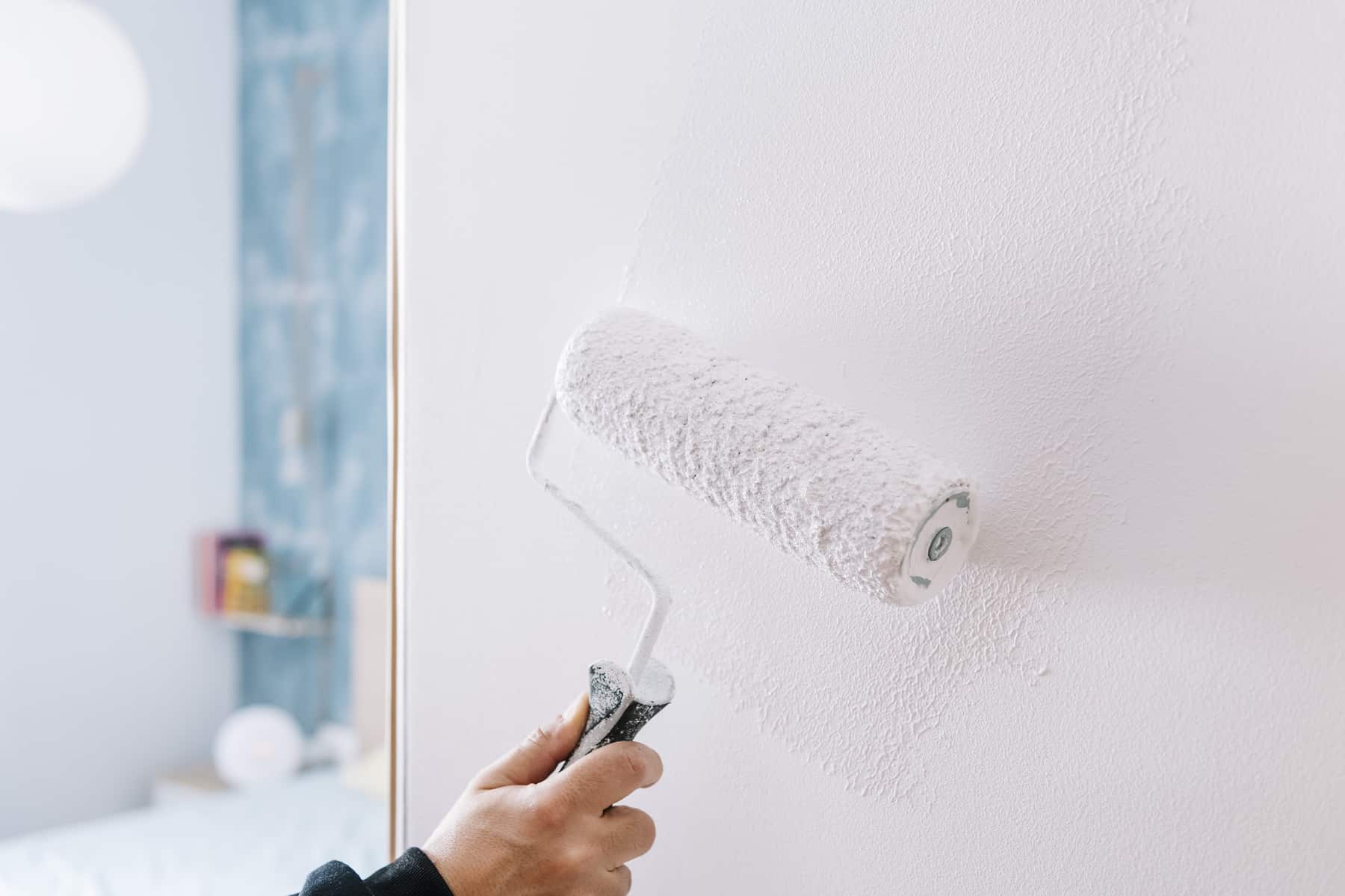
When we think about indoor air quality, focusing on things like air purifiers, cleaning habits, or ensuring windows are open for fresh air is easy. However, one of the most significant—and often overlooked—factors in the air we breathe inside our homes or offices comes from the materials we use to build and furnish our spaces. The paint on the walls, the flooring, and the furniture can affect air quality in ways we may not always notice immediately.
The Role of Building Materials
The materials used in a building’s construction have a big impact on the air quality inside. Everyday building materials like paints, adhesives, drywall, and carpets can release volatile organic compounds (VOCs) into the air. VOCs are chemicals that can evaporate at room temperature, including formaldehyde, benzene, and toluene. While you may not see or smell them, these chemicals are linked to various issues, including headaches, eye irritation, and even long-term health problems like respiratory issues.
For instance, drywall often contains formaldehyde, a standard VOC that can be harmful if it builds up indoors. Likewise, some flooring materials—like vinyl or laminate—can release VOC emissions over time, compromising air quality.
The good news? There are alternatives! Choosing low-VOC paints, formaldehyde-free insulation, and eco-friendly materials like bamboo or cork can significantly reduce the harmful chemicals in your home. These choices not only improve indoor air quality but also tend to be better for the environment.
How Furnishings Contribute to Indoor Air Quality
It’s not just the structure of the building that affects air quality; your furniture and home decor also play a significant role. From sofas and mattresses to rugs and curtains, many of the items we bring into our homes can emit VOCs or trap allergens, making the air less than ideal for breathing.
Synthetic materials used in furniture—like polyester, foam, and vinyl—can release chemicals, particularly when they’re new. And if you’ve ever bought a new couch or mattress, you’ve probably noticed a strong smell. That’s the VOCs at work! Upholstered furniture and rugs can also trap dust, pet dander, and other allergens, which can aggravate asthma or allergy symptoms.
What can you do? Opt for furniture made with natural, organic materials like cotton or wool when possible. These fabrics tend to be gentler on both the environment and your health. And if you have sensitive allergies, choosing hypoallergenic materials can help create a more comfortable and healthy living space.
The Importance of Ventilation
While selecting healthier materials and furnishings is important, ventilation is just as critical for maintaining good indoor air quality. Simply put, fresh air helps clear out harmful pollutants and keeps them from building up indoors.
Opening windows regularly and letting air circulate can do wonders. If you’ve just brought in new furniture or completed renovations, airing out your space can help eliminate lingering VOC emissions or other chemicals.
The Bottom Line
The materials that make up your home and the furniture you choose aren’t just aesthetic decisions—they directly impact the air you breathe. By being mindful of the building materials you select and opting for furnishings made from natural, non-toxic materials, you can make your indoor environment healthier and safer. Combine these thoughtful choices with good ventilation, and you’ll create a space that’s not only beautiful but also breathable. Making these simple yet significant adjustments can have a lasting effect on your home’s air quality—and, ultimately, on your well-being.
Have questions about VOC emissions or maintaining indoor air quality? If you need expert advice or services, contact the professionals at Evergreen Air Quality today.
